
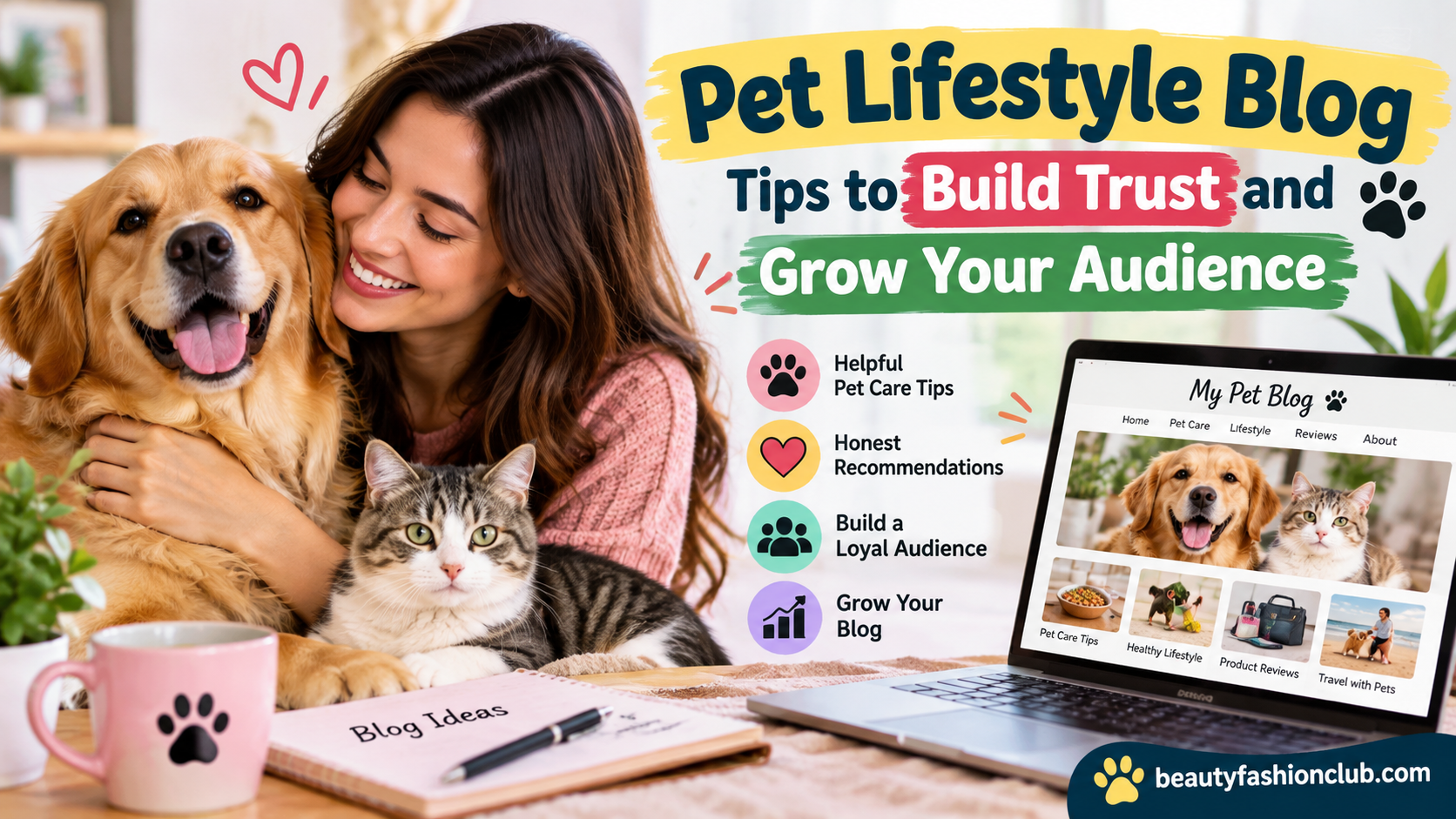
Pets are already part of everyday life: the muddy walk before work, the new brush that finally makes grooming easier, or the coat that keeps a small dog comfortable on a chilly morning. Those ordinary moments can make engaging lifestyle content, especially when they’re shared with a clear point of view. But a pet blog needs more than cute photos to keep readers coming back. Useful advice, honest recommendations and a consistent style all help turn casual visitors into a community.
That doesn’t mean every post has to be polished to perfection. It means giving readers something they can use, whether that’s a practical grooming routine, a realistic guide to travelling with a pet or ideas for choosing accessories that are comfortable as well as attractive.
Choose a Focus That Feels Natural
“Pets” is a broad subject, so it helps to decide what you most enjoy writing about. A beauty or fashion-minded creator might cover coat care, pet-friendly home details, seasonal walking gear or the small ways pets fit into a daily routine. Someone with experience training a rescue dog might prefer to focus on behaviour and settling in. You don’t need to rule out other topics, but a recognisable centre makes it easier for readers to know what to expect.
Think about the questions people around you actually ask. Which brush works for a long-haired cat? How do you keep a dog’s paws clean after a wet walk? What should you pack for a weekend away with a pet? Those questions are often better starting points than chasing a trend that doesn’t suit your experience.
Make Recommendations Useful, Not Just Pretty
Good lifestyle content can look lovely, but appearance shouldn’t come at the expense of comfort or safety. A fashionable collar, for example, still needs to fit properly. A raincoat should allow a dog to move freely. If you’re writing about grooming products, explain the coat type or situation they may suit, and don’t imply that one product will work for every animal.
Be clear about what you have tried yourself and what you’ve researched. If a topic involves health, nutrition or behaviour concerns, encourage readers to speak with a qualified veterinary professional rather than presenting a personal experience as universal advice. That kind of honesty builds trust. It also helps readers distinguish a genuinely useful post from a photo caption dressed up as guidance.
Build a Consistent Look Without Overthinking It
Visual consistency makes a blog easier to recognise. You might use natural light, a few familiar backgrounds and images that show products or routines in context. There’s no need for a professional studio. A bright window, a tidy corner and a phone camera can be enough. What matters is that images are clear and don’t leave readers guessing about the details you’re discussing.
Keep captions and design choices readable, too. A playful font may suit a pet-focused brand, but small text or busy layouts can make a useful article hard to follow. Think of styling as support for the information, not a substitute for it. And when photographing an animal, take breaks if they seem uncomfortable; getting the shot is never more important than their wellbeing.
Reach Readers Beyond Your Own Page
Publishing regularly is a good start, but new blogs can take time to find an audience. Sharing a helpful article in relevant communities, collaborating with other creators and writing for established publications can introduce your work to people who may not find it through search alone. Guest articles are most effective when they suit the publication and offer its readers something specific, rather than simply repeating a post from your own site.
Before pitching, read a publication’s recent articles and check its submission requirements. Suggest a focused idea, explain why its audience might care and be ready to provide original writing and suitable images. A resource such as pet guest-posting sites can help you find relevant places to explore, but take time to assess each site for topic fit and editorial quality. A long list is only useful if the publications make sense for your readers.
Give Your Website Room to Grow
A simple site can work perfectly well at the beginning. Make the main sections easy to find, check that articles are comfortable to read on a phone and include a clear way for readers to contact you. If you later need features such as a booking form, product catalogue or custom design, write down exactly what the site should do before looking for help. A clear brief makes it easier to compare proposals and avoid paying for features you don’t need.
If the technical work is beyond your skills, it may be time to hire a website developer. Osdire’s guide is one place to learn how a defined scope and transparent pricing can make that decision more manageable. You don’t need to build an elaborate platform just because the blog is growing; start with the problem you want the website to solve.
Let the Blog Grow at a Sensible Pace
A thoughtful pet blog is built through useful posts, a distinct voice and respect for the animals at its centre. Choose a focus you can sustain, share recommendations with care and look for ways to reach readers beyond your own channels. There’s no need to publish every day or make every picture look like a campaign. Consistency matters, but so does keeping the work enjoyable. When readers get practical ideas and an honest sense of who you are, they have a reason to return.