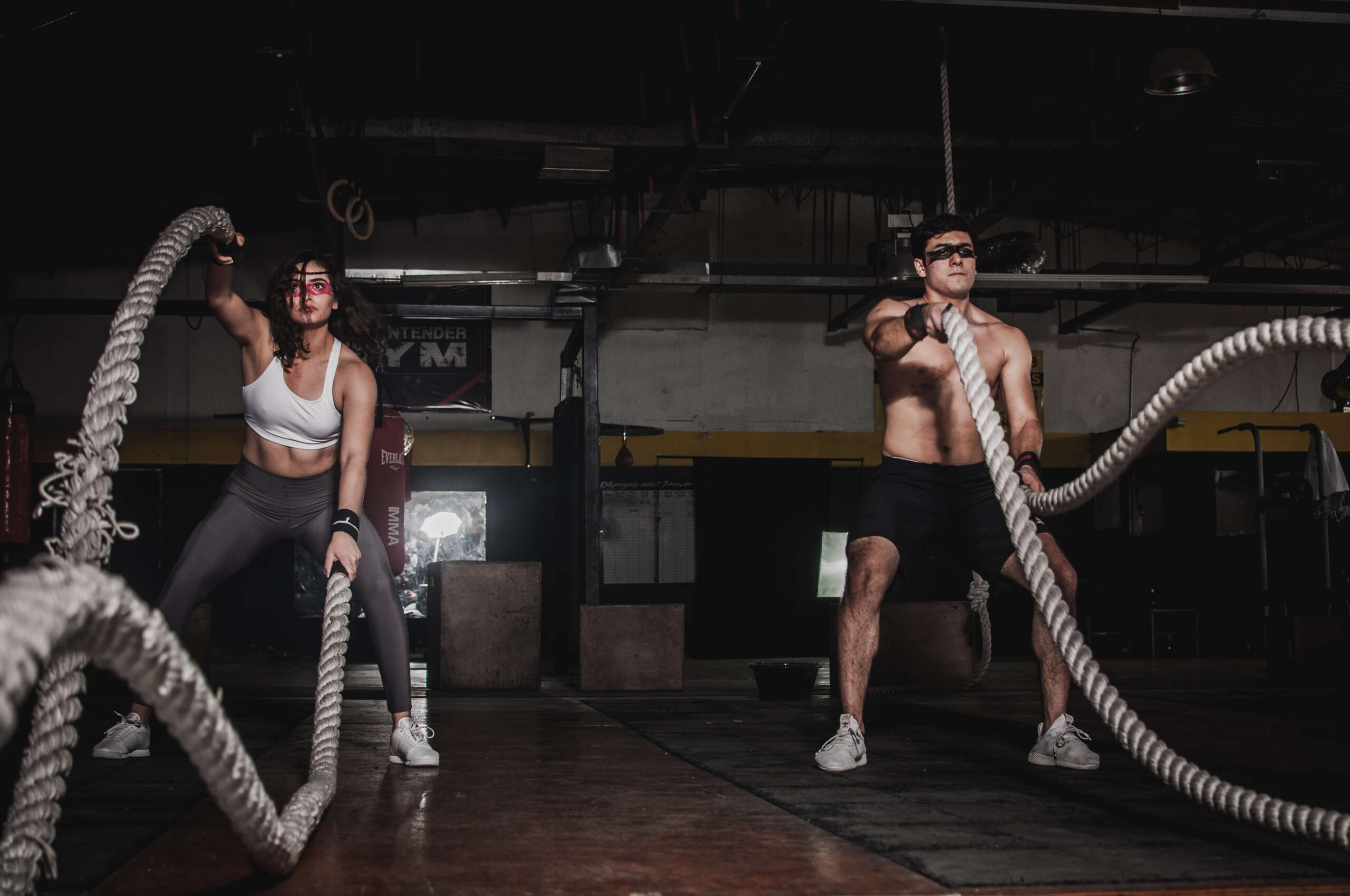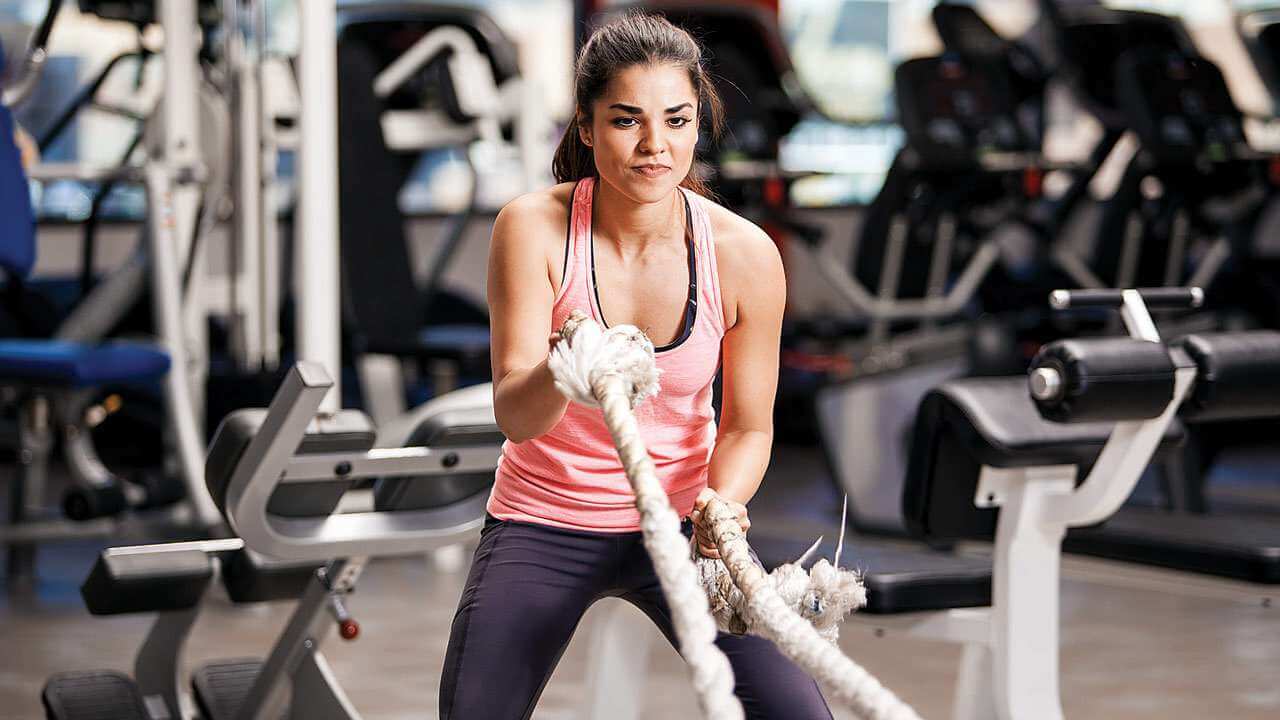

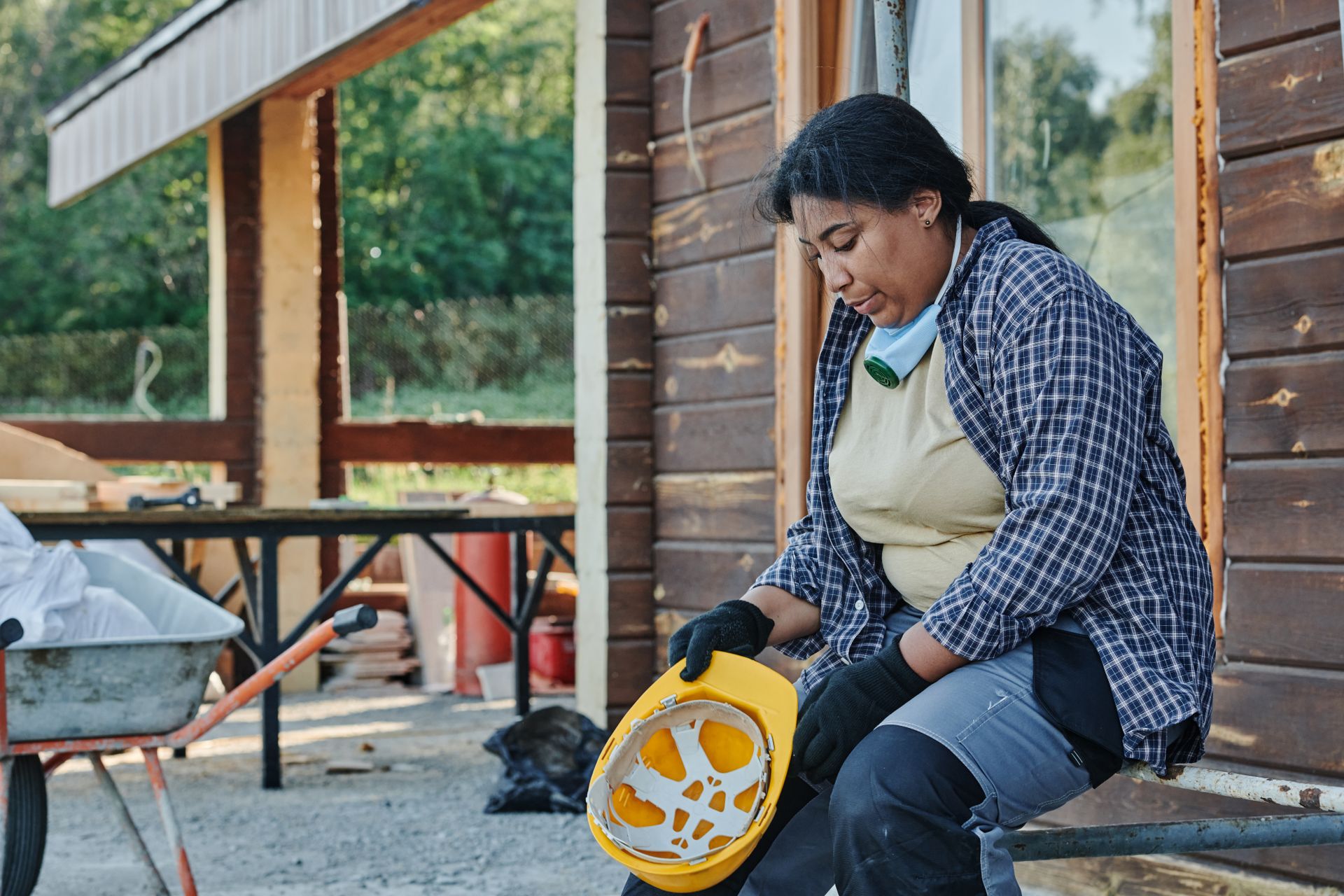
A physically active job can be good for keeping you moving, but let’s be honest, being on your feet all day isn’t the same thing as being healthy and fit. If a job involves lifting, carrying, climbing, walking around, standing for hours or working with equipment, the body is doing a lot. Sometimes more than you realise until the back starts aching or the legs feel completely finished by the end of the shift.
That’s why a few basic habits can actually make a big difference. Not complicated routines. Just things that are realistic enough to keep doing.
1.Don’t Try to Lift Everything Yourself
Heavy lifting is probably one of the easiest ways to end up with an unnecessary back problem. The basic stuff still matters. Keep whatever you’re lifting reasonably close to your body. Bend your knees and hips instead of folding your back forward. And don’t twist your body while you’re trying to move something heavy.
More importantly, know when something’s simply too awkward to lift safely. There’s nothing impressive about trying to carry a load that should’ve been moved with two people or with proper equipment.
2.Take a Break Before Your Body Forces You To
When there’s a lot to get done, breaks are usually the first thing people skip. “I’ll just finish this.” Then another task comes up. Then another. Before you know it, you’ve been doing the same physical job for hours. The problem is that fatigue doesn’t just make you tired. It can affect concentration and coordination too. When large sized or heavy gear or equipment is involved, that’s not the best option.
It’s not necessary to go out for thirty minutes during a little break. Sometimes it’s as simple as taking a step back, taking a seat for a short while, grabbing some water, and shifting positions. A short period of fatigue is simpler to recover from than an injury.
3.Wear Something That Actually Works for the Job
Work wear isn’t just there to look professional. If you’re walking around all day, footwear matters. If the floor is slippery, grip matters. If there’s a risk of something falling, head protection obviously matters. The same goes for gloves, eye protection, high-vis clothing and other PPE.
And don’t ignore comfort. If your boots are rubbing your feet all day or your gloves don’t fit properly, you’re going to notice it eventually. Poorly fitting equipment can also become distracting when you’re trying to concentrate on a task.
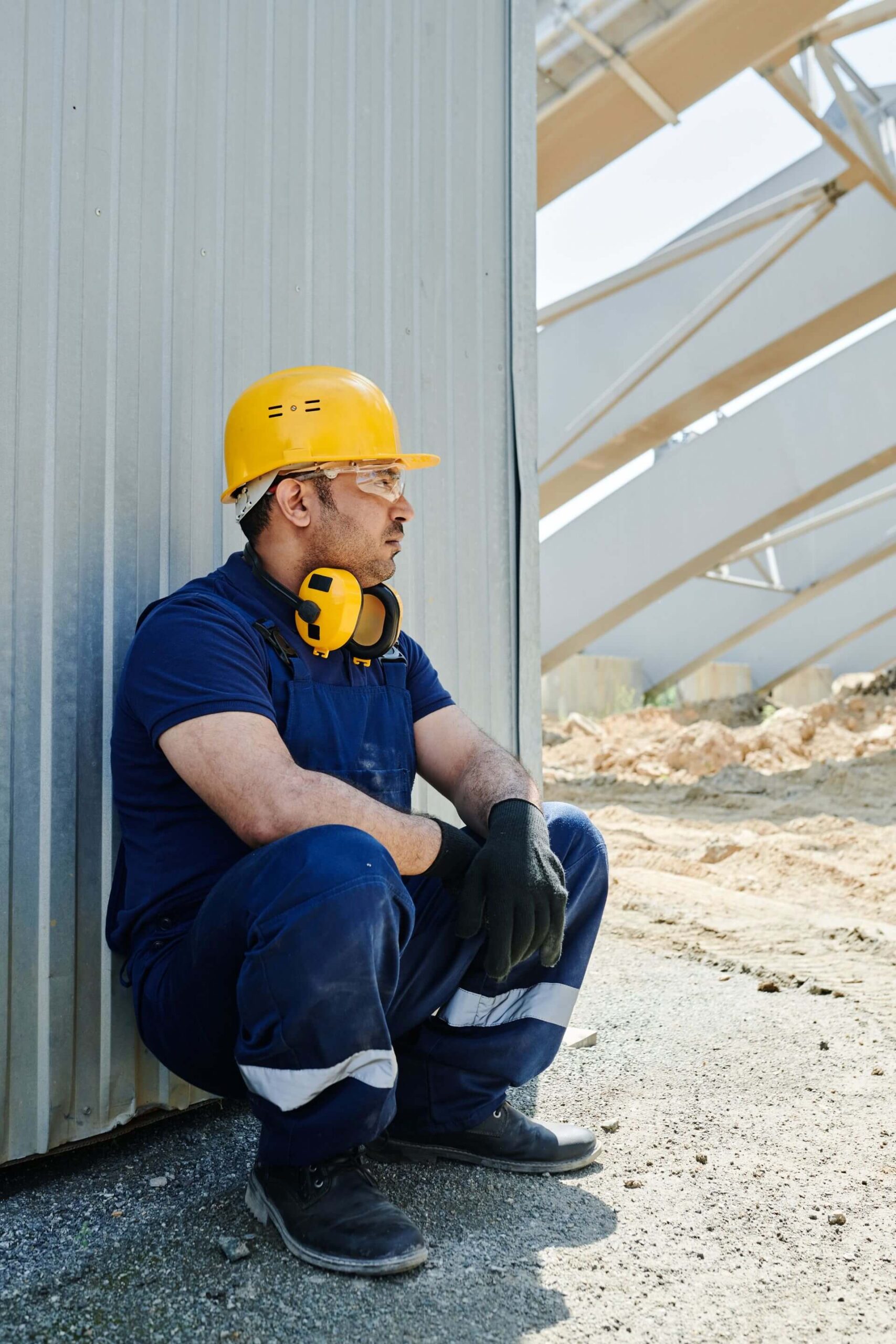
The right gear should make the job easier and safer, not become another thing you’ve to fight with.
4.Keep Water Nearby
This one sounds obvious, but it gets forgotten all the time. Physical work, particularly outdoors or in warm conditions, means the body can lose quite a bit of fluid. If water isn’t easily available, it’s very easy to go through most of a shift barely drinking anything. Then comes the headache. The tiredness. Maybe feeling dizzy or just not quite right.
Food matters too. There doesn’t need to be a perfect meal plan. Just try not to rely on sugary snacks and caffeine to get through the entire day. Proper meals with some protein, carbohydrates, fruit or vegetables will generally keep energy levels more stable.
5.Move Differently When You Can
Doing physical work all day doesn’t automatically mean the body is moving well. This is something that gets overlooked. A person might walk thousands of steps at work but spend most of the day in the same position. Another person might lift things constantly but barely move their shoulders or upper back. Eventually, certain areas get tight and irritated.
A few minutes of simple movement before starting work can help. Nothing extreme. Some shoulder movements, gentle hip mobility, ankle movements or light stretching can be enough to get things going. And during the day, changing position helps too. After work, don’t feel like another intense workout is always necessary. Sometimes the best thing for tired muscles is food, water, some easy movement and a decent night’s sleep.
6.Being Fit Doesn’t Mean You’re Trained for Everything
This is probably the most important distinction. Being strong helps. Being fit helps. Having good stamina helps. But none of those things automatically teach someone how to operate specialist equipment.
Working at height or using access equipment comes with its own risks. A person can be very strong and still use a piece of equipment incorrectly. For workers who need specialist training, North East Access Training provides courses including IPAF, harness safety and PASMA training. That’s a completely different thing from simply being shown how something works by another worker and being told to “give it a go.” Proper training gives people a better understanding of the equipment, the risks involved and what needs to be checked before getting started.
It’s Mostly About the Basics
Staying safe at a physical job doesn’t need to become a huge project. Lift properly. Don’t ignore tiredness. Wear the right gear. Drink water. Eat something decent. Move around instead of staying stuck in the same position all day. And if the job involves specialist equipment, get the proper training for it.
All of these habits might sound boring or irrelevant and that’s probably why they’re so easy to ignore. But the boring habits are often the ones that keep small problems from becoming bigger ones.
A physically demanding job will always put some pressure on the body. The aim isn’t to avoid every bit of tiredness or soreness. It’s to make sure the body is being looked after well enough to handle the work today, tomorrow, and six months from now.